
What Homeowners Need to Know About Site Preparation in Canada

Executive Summary

Before breaking ground on a new home, proper site preparation and grading set the foundation for a safe and successful build. In Canada, where geography and climate vary widely—from frost-prone soils in the Prairies to heavy rain on the West Coast and steep slopes in the Rockies—these steps are critical. Site prep involves clearing, surveying, soil testing, and ensuring drainage is in place. Grading shapes the land to protect against flooding, erosion, and structural issues. Skipping or mishandling these early phases can lead to costly delays, safety hazards, and long-term damage. This guide highlights the essential factors Canadian homeowners need to know about site preparation and grading, including costs, common mistakes, and why hiring experts like HR Pacific ensures every project starts on solid ground.

—-

A critical step for every homeowner’s pre-construction activity checklist is land preparation. Touted as the unsung hero of construction projects, site preparation and land grading set the stage for every step that follows in the construction process. Site preparation can save homeowners’ time, money, and headaches if site preparation and grading are done right.

Whether it’s Canada’s unpredictable weather or its varied terrain, proper site preparation makes the difference, especially in custom-built homes. At HR Pacific, we’ve seen how site preparation makes a difference. Here is what you need to know before you start your build.
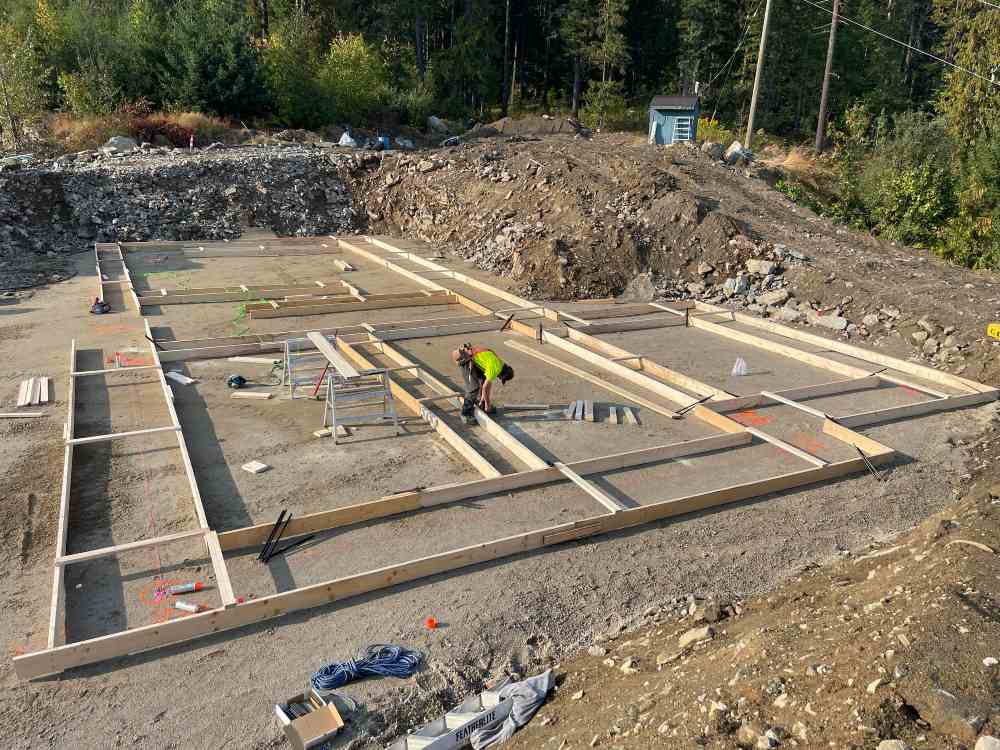
 

A construction worker laying out wood planks on an empty lot for site preparation purposes.


What are the Essential Factors in Site Preparation

If you are a homeowner starting your build, these are the important factors to consider when doing site preparation:

Nature of the Project

Will you be building a residential, a custom home, or a commercial building? The type of project should dictate the amount and type of site preparation activities. Typically, a less complicated residential development will require less site prep than a large commercial project.

Size of the Project

As mentioned above, the project size determines the amount of site preparation activities that will be implemented. The size also determines the resources that will be needed in the site preparation activities.

Location of the Construction Site

Location is also an important factor in site preparation. Is the site location in an urban area or a rural setting? What is the climate and topography in the area? Considering all these factors in site preparation ensures that the construction site is safe and ready ahead of construction.

Considerations for Site Preparation in Canada

Geography and climate make site preparation in Canada particularly crucial. Here are some considerations when doing site preparation and land grading:

  1. Permafrost & Frost Heave – Builders must take into account frozen ground and installation of helical piles and deeper footings to halt shifting.
  2. Rain & Snow Load – For West Coast sites, such as those in BC, additional drainage planning may be necessary due to the high rainfall volume. Grading should also ensure that snowmelt runs farther from the home, especially those in the colder provinces.
  3. Mountainous Terrain – For areas like the Rockies, precision grading, engineered drainage, and retaining walls are necessary for effective elevation management and landslide prevention.
  4. Municipal Regulations – Provinces and municipalities have rules on erosion control, grading, and water runoff; hence, you will most likely need permits or inspections for excavation near bodies of water, such as creeks and wetlands, or shared property lines.
  5. Geotechnical Requirements – Ground testing, investigation, and documentation prior to construction must be undertaken to ensure a building foundation that is both safe, stable, and cost-effective.
  6. Environmental concerns – Prep activities near water must be carefully handled, especially near rivers, streams, oceans, lakes, and fish-bearing waters. Skipping this step may result in fines, delay, and long-term environmental damage.

Site preparation is important in Canada, where soil conditions and frost lines vary significantly. Issues such as water pooling, foundation cracks, and even structural failure may occur as time passes if site preparation is poorly done.

What Is Site Preparation in Home Construction?

Site preparation is all about getting your property ready for construction. Laying down the groundwork in the literal sense, because that is just what it is. The main goal of site preparation is to make sure that the land is stable enough and safe for construction. Other site preparation activities include clearing and levelling, and other prep tasks such as:

  • Clearing debris, rocks, and trees;
  • Soil testing for stability and drainage;
  • Excavating and grading to create a level base; and,
  • Creating access for construction vehicles.

Why Site Prep Grading Is Just as Important as the Foundation

Site Prep Grading is not just about making a lot look neater. It is about creating a shape that enables water to flow away from a newly-built home and not towards it. Grading activities such as leveling or land sloping to prevent:
  • Basement flooding;
  • Erosion;
  • Foundation issues;
  • For colder climates, ice pooling issues.
  • Determine what you want to do with the water, either capture and reuse it, and
  • Grading is based on the stormwater management plan, which the geotechnical engineer creates.

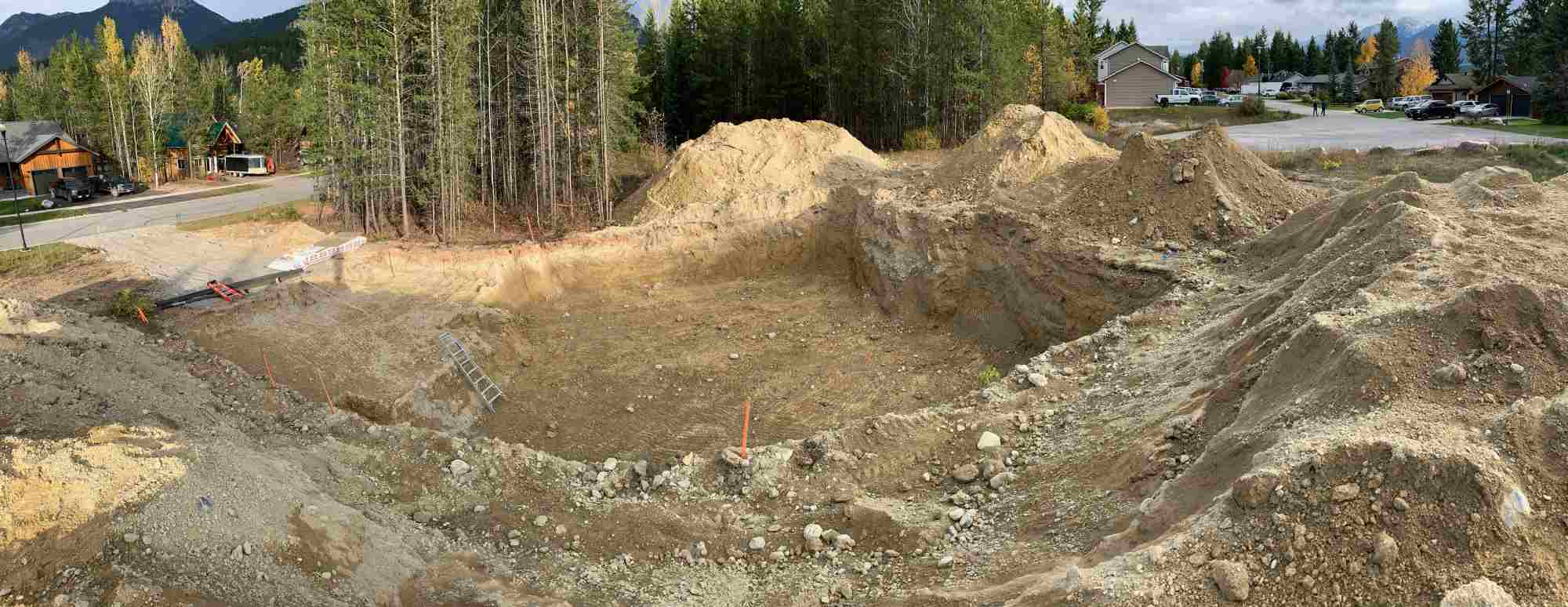
A plot of land that is dug out prior to construction.

Types of grading

Rough grading puts in place the elevation and general slope of a build. The final grading involves fine-tuning of the topsoil in preparation for landscaping.

For modern mountain homes or properties with mountains and slopes, precision is even more crucial. Proper grading ensures walls, driveways, and walkways are safe and functional.

At HR Pacific, we work with highly experienced engineers who craft grading plans that consider various aspects, including soil type, natural land contours, and drainage.

What Procedures Are Involved in Site Preparation and Grading?

Every site is different, but the process usually follows these key steps:

Step 1: Land Survey and Site Evaluation

  • A professional survey maps out property boundaries.
  • Soil tests check for stability and drainage issues.
  • Identify obstacles like boulders, trees, and slopes.
  • Geotechnical engineering, if required. HR Pacific has needed a Geotechnical Engineer on almost every project.
  • Addressing environmental concerns.

Step 2: Clearing and Grubbing

  • Remove trees, stumps, rocks, and debris.
  • Excavate to the required depth for your foundation.

Step 3: Grading for Drainage and Stability

  • Shape the land to slope away from the future home.
  • Compact the soil to prevent settling.

Step 4: Utility/services Machinery, and Access Route Planning

  • Plan for water, sewer, and electrical lines.
  • Create access routes for heavy equipment.

These key steps can prevent costly surprises later in the building process.

Pro Tips from Contractors for a Safe Site Preparation

To ensure effective site preparation while the construction is ongoing, here are some tips for general contractors, custom home builders, and homeowners:

  1. Research the area before site prep:  This will help uncover problems that contractors or neighbors had on their site preparation.
  2. Conduct a detailed topographic survey: This will reveal water paths, contours, and natural water paths to you or your contractors.
  3. Do a soil test: Determining the type of soil present will also determine how the site preparation will be conducted.
  4. Check for sewage connections: Site may be connected to a septic system or can be tapped to the city sewage system.
  5. Locate all underground utilities: Gas, water, sewage and electrical lines must be located to ensure that these would not be affected by site preparation activities.
  6. Check services available: Check if the area has propane or natural gas lines.
  7. Make a fire protection plan: Shows how fire safety is built into the construction plan in line with the Canadian building and fire codes.
  8. Inspect existing overhead obstructions: Look for and assess electrical lines that could cause issues during site preparation.
  9. Enhance safety regulations: Revisiting and updating safety regulations before starting a construction project is crucial. By doing this, your workers will be protected and accidents will be prevented.
  10. Construction plan implementation: A construction plan helps keep the construction site organized. It also ensures that activities are done efficiently.
  11. Proper drainage: Investing in proper drainage protects your property in years to come
  12. Overestimate the time for excavation: There may be rocky soil, old footings, or buried stumps that you may uncover while excavating so allow for extra time for excavation.
  13. Ease of access: You will need to allot ample space for deliveries, machineries, and temporary staging while doing site preparation.
  14. Equipment preparation: The type of equipment may vary depending on the scope and how big or small the project is. Using the appropriate equipment for the job ensures safety and efficiency.
  15. Crew preparation: Your crew or hired crew will be the backbone of whatever work needs to be done on the construction site. You have to be sure that they are well trained, ready, and on board with the construction process.
  16. Weather monitoring: Weather can impact the site preparation. You can adjust work schedules accordingly based on the weather forecast to ensure that work schedules are not hampered by rainfall or other sudden weather changes.
  17. Call you before you dig”  (this is a popular saying in B.C. to prevent digging and hitting a gas line or sewage line.  It means calling the city or utility providers to find out where any existing underground gas/water/sewage/electrical lines are: ex.)

How Much Does Site Prep and Grading Cost in Canada?

Costs can depend on the property’s condition, size, and location. Here are some rough figures for a single-family home in the suburbs:

Task Estimated Cost (CAD)
Land clearing $2,000 – $10,000
Excavation $3,000 – $15,000
Grading $1,500 – $8,000
Soil testing $500 – $2,000
Total (average range) $7,000 – $35,000+

Factors that affect cost include:

  • Remote or hard-to-access locations
  • Steep slopes or rocky terrain
  • Large trees or dense vegetation

It is recommended to set aside a contingency budget of around 10-15% for issues that may crop up later during the build.

Can I DIY Site Prep and Grading?

It is tempting to try to DIY site preparation and grading, especially for small properties. It may cost you your savings once surprises arise. Site preparation and grading require the use of heavy equipment. You might want to consider hiring grading contractors for your home build. Doing site preparation and grading yourself may lead to problems with drainage and foundation later.

If a homeowner does the site preparation and grading by himself or herself, without appropriate equipment, support from engineers, and without knowledge of the local code, you may encounter these problems:

While these issues are common, fixable, and may just require extra work, you may encounter these minor problems while DIY-ing site preparation and grading:

  1. Uneven clearing: You may have missed some tree roots, debris, or stumps that may slow down site preparation activities and may cause damage to equipment later on.
  2. Inadequate topsoil stripping: Organic material that may have been left behind may cause settling when it decomposes.
  3. Poor rough grading: DIY-ing site preparation may result in inconsistent slopes. This may require a contractor to redo the rough grading before final grading.
  4. Improper equipment usage: Renting out small equipment may cause uneven cuts or even property damage.
  5. Overdigging: Removing too much soil may compromise soil stability and may incur fill costs in the long run.

Major problems may also arise during site preparation and grading when homeowners do it without professional help. These can affect costs, safety, and the overall lifespan of the build:

  1. Incorrect drainage slope: Pooling of water toward the house can lead to flooding, frost damage, and foundation cracks.
  2. Ignoring soil conditions: If geotechnical testing was not done, you may be building on clay, soft fill, or unstable slopes that may lead to structural failure.
  3. Hitting underground utilities: You may hit gas lines, water, or electrical lines while excavating. This scenario is dangerous and may result in legal penalties.
  4. Unpermitted work: Most site preparation activities, like excavation, grading, and erosion control, require a work permit. Deciding to skip this may lead to stop-work orders, fines, and rework.
  5. Mistakes in compaction: Poor fill compaction may lead to cracking, settling, or even collapse over time.
  6. Erosion and environmental damage: Failing to use silt fencing or implement runoff control measures can lead to damage to neighboring properties or water lines, potentially resulting in fines in your area.

While minor problems may not require reconstruction, they may still cost you time and money to fix. Major issues may require expensive engineering fixes, damage to your property or that of others nearby, or even halt the construction entirely.

The HR Pacific Team brings:

  • Expertise in soil science and grading;
  • Proper equipment for excavation and compaction; and,
  • Knowledge of local regulations and permits.

HR Pacific’s team handles all of this so you can focus on the bigger picture.
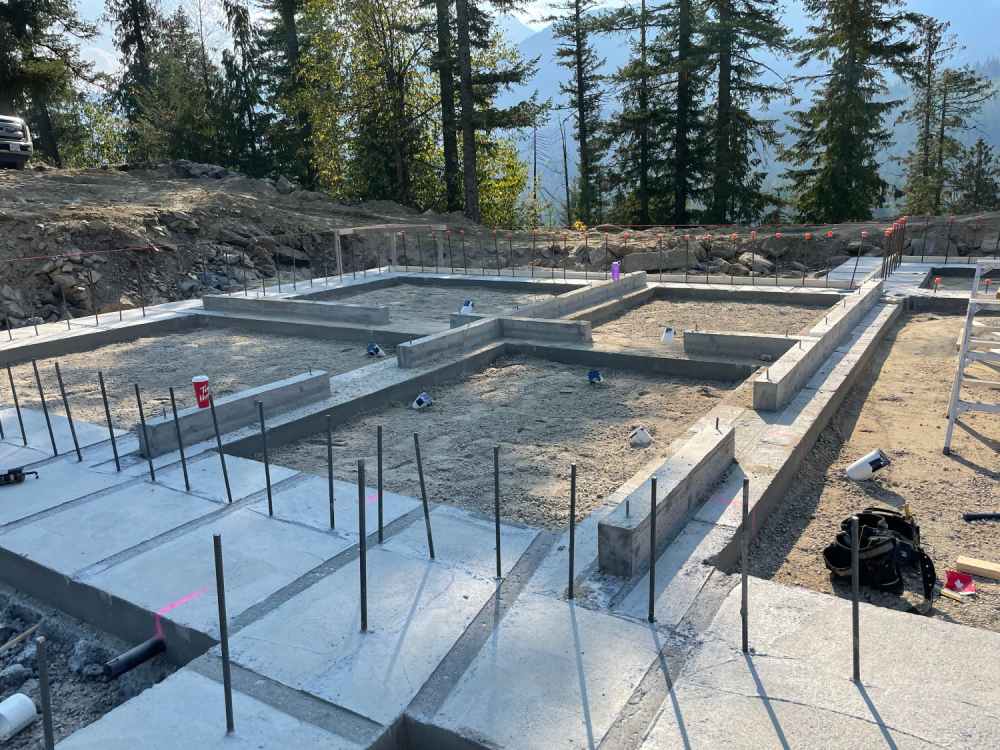
Concrete slabs for site preparation for residential home construction.

Common Mistakes Homeowners Make With Site Prep

Below are common pitfalls over the years:

  • Ignoring drainage: Water pooling near the foundation is one of the most expensive problems to fix.
  • Skipping soil testing: Poor soil can lead to settling and cracking.
  • Underestimating access needs: Heavy machinery requires space to operate safely.
  • Not checking local permits: Some municipalities require grading and clearing permits.
  • Not taking to account that the that things uncovered during site preparation could significantly impact your home’s design and require a modification, which would raise the cost

Avoiding these mistakes starts with hiring the right team.

How HR Pacific Handles Site Prep and Grading

Our approach is built on careful planning and local experience. We:

  • Collaborate with surveyors and geotechnical engineers
  • Develop grading plans tailored to each site
  • Coordinate with municipalities for permits and inspections
  • Manage all subcontractors and equipment

Whether it’s a flat suburban lot or a steep mountain site, we have the expertise to prepare it properly.

Questions to Ask Grading Contractors in Canada About Site Prep and Grading

How long does site prep take?
Usually 1 to 4 weeks, depending on property size and complexity.

How can site preparation help you complete your project on schedule?

Site preparation and grading ensure that the team completes the project promptly. Site preparation and grading follow a step-by-step process and consider different factors that may affect construction.

Do I need permits for site prep?
In most cases, yes. Requirements vary by municipality. We handle this for you.

What equipment is used?
Excavators, graders, compactors, and sometimes bulldozers for larger or sloped lots.

Who is involved in site preparation?

Contractors and engineers who have knowledge, experience, and training are involved in site preparation for construction.

Is site prep needed for all builds?
 Yes. Even on seemingly flat lots, proper preparation is critical to prevent future issues.

Key Takeaways

  • Site prep and grading are essential to protect against flooding, frost damage, and structural failure.
  • Costs range from $7,000–$35,000+, depending on property conditions, access, and terrain.
  • Canadian challenges include permafrost, snow loads, mountainous terrain, and strict municipal regulations.
  • DIY site prep often leads to uneven grading, drainage issues, and legal penalties.
  • Common mistakes: skipping soil tests, ignoring drainage, underestimating access needs, and missing permit requirements.
  • HR Pacific provides expertise, permits, geotechnical coordination, and safe grading plans for both flat lots and steep mountain sites.

FAQs

How long does site prep take?
 Between 1 and 4 weeks, depending on lot size, terrain, and complexity.

Do I need a permit for site prep?
 Yes, most municipalities require permits for excavation, grading, and erosion control. HR Pacific handles this process.

What equipment is typically used?
 Excavators, graders, compactors, and occasionally bulldozers for larger or sloped properties.

Can I do site prep myself?
 DIY often leads to drainage mistakes, utility damage, and unpermitted work. It’s safer and more cost-effective to hire professionals.

What happens if drainage is ignored?
 Pooling water can cause basement flooding, frost heave, erosion, and foundation cracks—expensive problems to fix later.

Why hire HR Pacific for site prep and grading?
 HR Pacific brings local expertise, certified engineers, and the right equipment to ensure your build starts with a stable foundation.

Conclusion

Site preparation and grading may not be the most visible part of building a custom home, but it is one of the most critical. Done correctly, it prevents drainage issues, structural failure, and costly surprises down the line. For Canadian homeowners, the challenges of climate, terrain, and municipal regulations make professional expertise indispensable. HR Pacific’s team of construction managers and site experts ensures that every lot—whether suburban, rural, or mountain—is prepared with safety, compliance, and long-term durability in mind. Start your project with confidence by working with a team that knows how to build on solid ground.

Start Your Build on Solid Ground

Site preparation and grading may not be the most exciting part of building a home, but it’s one of the most important. Getting it right means your dream home has the strong, stable base it deserves.

HR Pacific’s team of construction managers and site experts is here to guide you from the first site evaluation through to move-in day.

Ready to start? Contact us today to talk about preparing your property for a successful build.

HR Pacific
September 25, 2025

Shall We Begin?

Let’s create a home that’s distinctly yours.

STAY CONNECTED

Join our mailing list to receive
newsletters and updates.
© 2025 HR Pacific