Executive Summary
- Cold weather does not stop Canadian construction, but it requires careful planning and adaptation.
- Key challenges include frozen soil, moisture management, concrete curing, and higher winter costs.
- Success relies on aligning project milestones with the seasons, from spring excavation to roofing before fall.
- Regional climates, from rainy Vancouver to snowy Revelstoke and freezing Calgary, shape construction methods and budgets.
- A clear winter construction checklist helps homeowners prepare for costs, scheduling, and site protection.
Introduction
Canada’s climate is as diverse as its geography, and for the construction industry, this reality directly shapes how projects are scheduled, budgeted, and executed. In Vancouver, contractors contend with persistent rainfall. In Calgary, bitter cold and safety regulations slow outdoor labour. In Revelstoke and the Rocky Mountain regions, heavy snow and short summers mean careful sequencing is essential.
The question many homeowners ask is whether cold weather construction in Canada is practical. The answer is yes, but it demands foresight. Winter construction planning is not about avoiding the climate; it is about adapting designs, schedules, and budgets around it.
This article explores how to manage construction in winter Canada through effective phasing, realistic budgeting, and seasonal adjustments. It also provides a winter construction checklist for Canadian homeowners, examples of winter adaptations, and a review of national statistics that reveal the costs and risks of seasonal building.
What Defines the Construction Season in Canada?
- Mild Coastal Climates (Victoria, Greater Vancouver Area)
These areas allow for nearly year-round building. The challenge is moisture, not temperature. Vancouver averages 169 rainy days annually, with North Vancouver receiving over 2,400 mm of precipitation each year. This means drainage systems, tarping, and constant dewatering are essential for successful seasonal construction in Canada.
- Mountain Regions (Revelstoke, Rockies)
At higher altitudes, construction is more seasonal. Excavation and foundations must be completed during the thaw, while roofing is ideally sealed before fall snow. Scheduling seasonal projects in Revelstoke BC winter often requires budgeting for snow removal, temporary heating, and drainage to handle runoff.
- Prairies (Calgary, Edmonton)
These regions are dry but intensely cold. When temperatures fall below -18°C, work can come to a halt for safety reasons. Even when building continues, concrete curing demands insulated blankets or heating systems to prevent frost damage.
Key Point: Year-round construction is possible in Canada, but each region’s climate dictates the costs, techniques, and adaptations required.
Challenges of Cold-Weather Construction
Impact of Snow, Rain, and Frozen Ground
- Frozen Soil
Excavation becomes significantly slower when the ground freezes. Machines burn more fuel and wear down faster as they break through hardened soil layers. Backfilling frozen ground risks structural settlement, making it one of the most expensive challenges in cold weather construction planning. Frozen soil also makes trenching for utilities like water or sewer lines far more difficult, often requiring specialized thawing equipment before work can continue.
- Concrete Curing
Concrete poured below freezing must be carefully managed. Without heated blankets or insulated forms, frost can form within the concrete, weakening the structure. Builders often delay pours or add heaters to maintain curing temperatures. The Canadian Standards Association notes that curing temperatures must be maintained above 5 °C for at least seven days, which is difficult to achieve without artificial heating in winter conditions.
- Moisture Issues
In rainy regions like Vancouver, waterlogged sites damage sensitive materials such as drywall, insulation, and lumber. These must be dried thoroughly before installation, which extends project timelines and increases costs. Excess moisture can also impact soil stability, creating further complications for excavation and foundations.
Added Costs of Winter Construction
- Protective Coverings
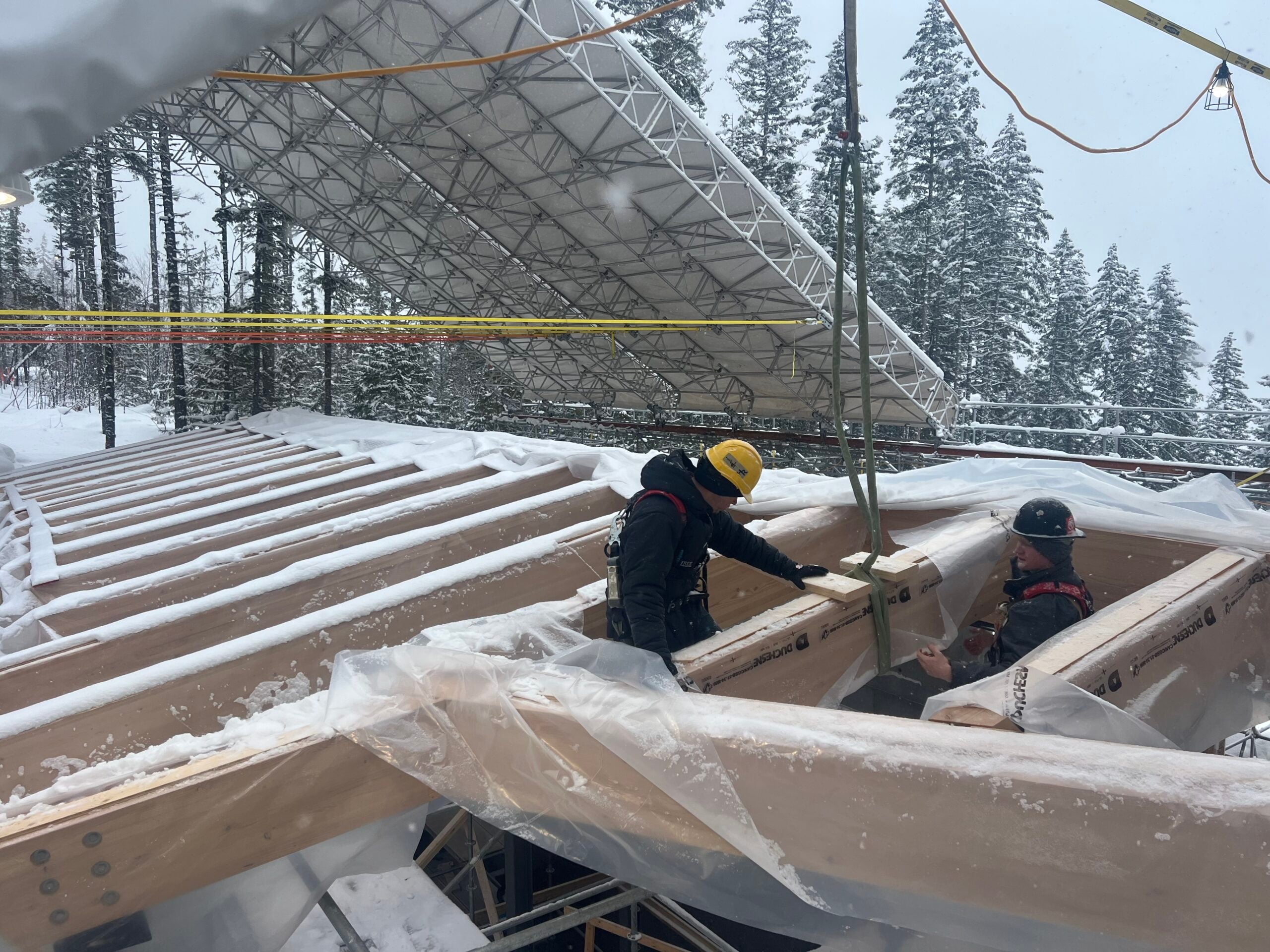
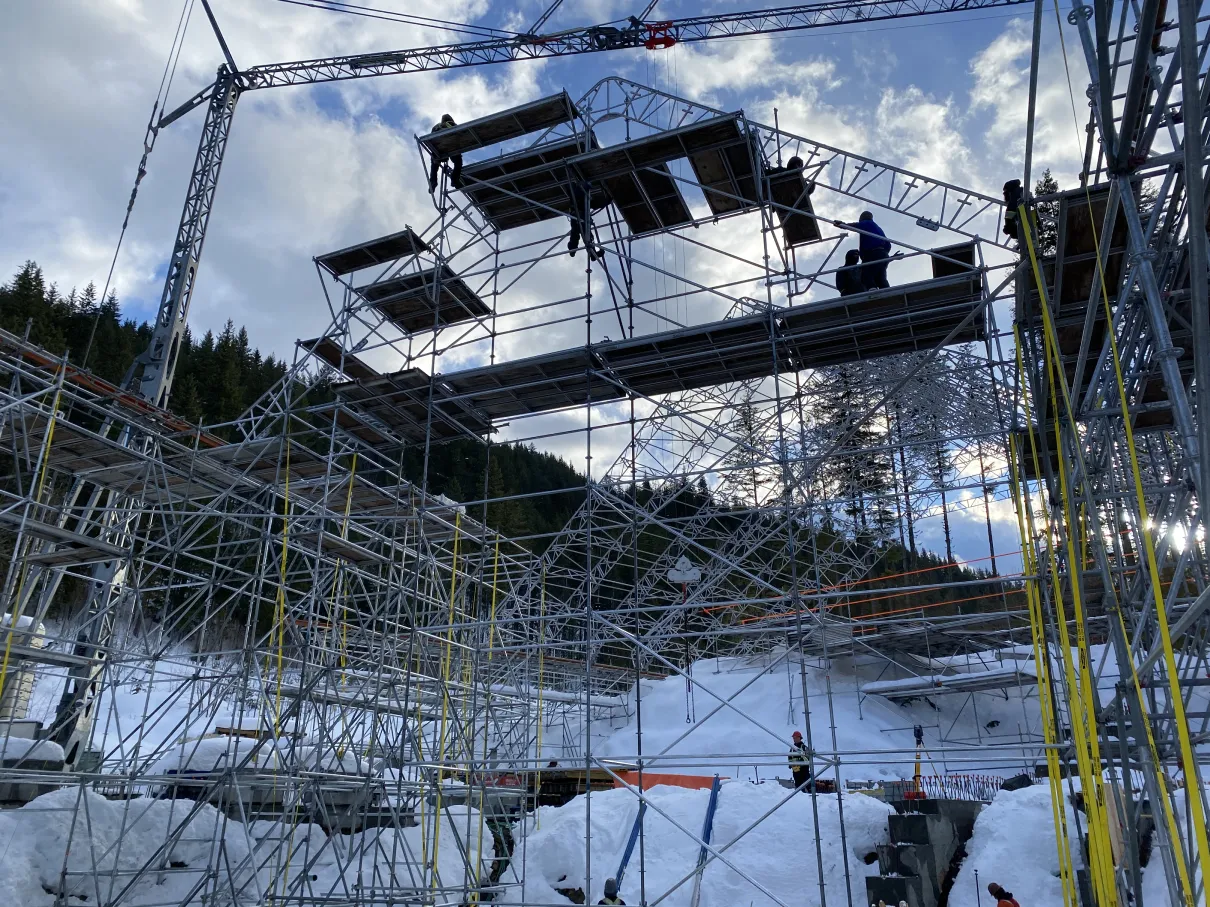
Large projects often require temporary enclosures or tenting systems. These structures shield workers and materials from snow and rain, but they can cost hundreds of thousands of dollars to install and maintain. They also need constant monitoring to ensure stability under snow loads.
- Heating Systems
Portable heaters and ground-thaw units prevent frost heave in footings and keep crews warm. These systems are energy-intensive and contribute significantly to operating costs. On large projects, heating fuel can account for thousands of dollars each week.
- Moisture Control
Continuous pumps and drainage systems are necessary to manage rainwater and snowmelt. Without these measures, work can stall and structures risk damage. In mountainous regions, snowmelt can overwhelm a site quickly if drainage is not managed, forcing additional pumping and water diversion systems.
- Labour Inefficiencies
Shorter daylight hours, icy work surfaces, and heavy winter clothing slow workers. Productivity drops, meaning projects take longer and labour costs increase. Safety concerns also rise, as slippery conditions can lead to more accidents, further delaying work.
Seasonal Project Planning: Best Practices
Scheduling Around the Seasons
- Spring Excavation
Starting excavation after frost ensures soil is workable and backfill is stable. This prevents settlement issues and reduces the need for costly rework. Planning excavation in spring also maximizes the building season, allowing projects to reach enclosed phases before the first snowfalls.
- Roof by Fall
Completing roofing before snow creates a sealed building envelope. Once enclosed, interior trades such as plumbing, electrical, and drywall can continue without interruption. This milestone is often treated as the most critical in how to plan construction projects in cold weather Canada.
- Winter Adaptations
When projects extend into winter, contractors shift focus indoors. Exterior phases like siding or landscaping wait until warmer months, reducing risks and wasted labour. Interior trades often benefit from this sequencing, as more resources can be directed to completing interiors while exterior work is paused.
Regional Considerations
- Vancouver
Constant rainfall means projects require advanced drainage, tarped deliveries, and even mandatory canopies for commercial sites to keep sidewalks dry. Builders also schedule more time for drying lumber and use moisture-resistant materials whenever possible.
- Revelstoke
Heavy snow loads require steep roofs and large overhangs. A cold weather building timeline for BC mountain homes often includes extra time for snow removal and the use of heated enclosures. Projects here may require contingency plans for avalanches or extended snowstorms.
- Calgary
Sudden chinooks bring temporary warmth but are followed by freezing conditions. Builders must create flexible schedules that allow for sudden work stoppages. This unpredictability forces many crews to keep backup plans for both warm and cold scenarios.
Phasing and Seasonal Project Planning for Winter Construction in British Columbia
Pre-Construction Planning
- Evaluation
Builders assess frost depth, soil drainage, and snow patterns. Neglecting this step often leads to water pooling or frost heave later in the build. Evaluations also include studying sun exposure and wind conditions, which affect both snow accumulation and drying rates.
- Team Development
Integrated Project Delivery (IPD) brings architects, engineers, and contractors together early. This collaboration ensures designs are realistic and reduces costly changes once work begins. Early collaboration is particularly helpful when climate-driven design choices, like roof slope or drainage systems, need to be considered.
- Budgeting
Winter projects require allowances for heaters, coverings, and reduced productivity. Transparent budgeting ensures homeowners are not surprised by mid-project expenses. Builders may even provide two budgets: one for ideal conditions and one for winter contingencies, so clients understand the financial risks.
- Approvals
Municipal permits can take weeks or months. Edmonton reports greenfield permits average 21 days, while infill projects take 33–91 days. Delays in approvals often cost builders the best seasonal windows to start work. Filing early ensures construction can begin as soon as weather allows.
Construction Phases
- Scope-Based Phasing
Large projects may be divided into stages, such as building a primary structure first, then adding expansions later. This spreads costs and allows for phased occupancy. It also reduces risk, as builders can adjust future phases based on lessons learned in earlier stages.
- Chronological Phasing
- Site Preparation
Clearing vegetation, grading, and installing drainage prevent flooding. In winter, this may also involve dewatering systems and snow removal. Builders sometimes build temporary access roads to keep machinery moving on icy ground.
- Foundations
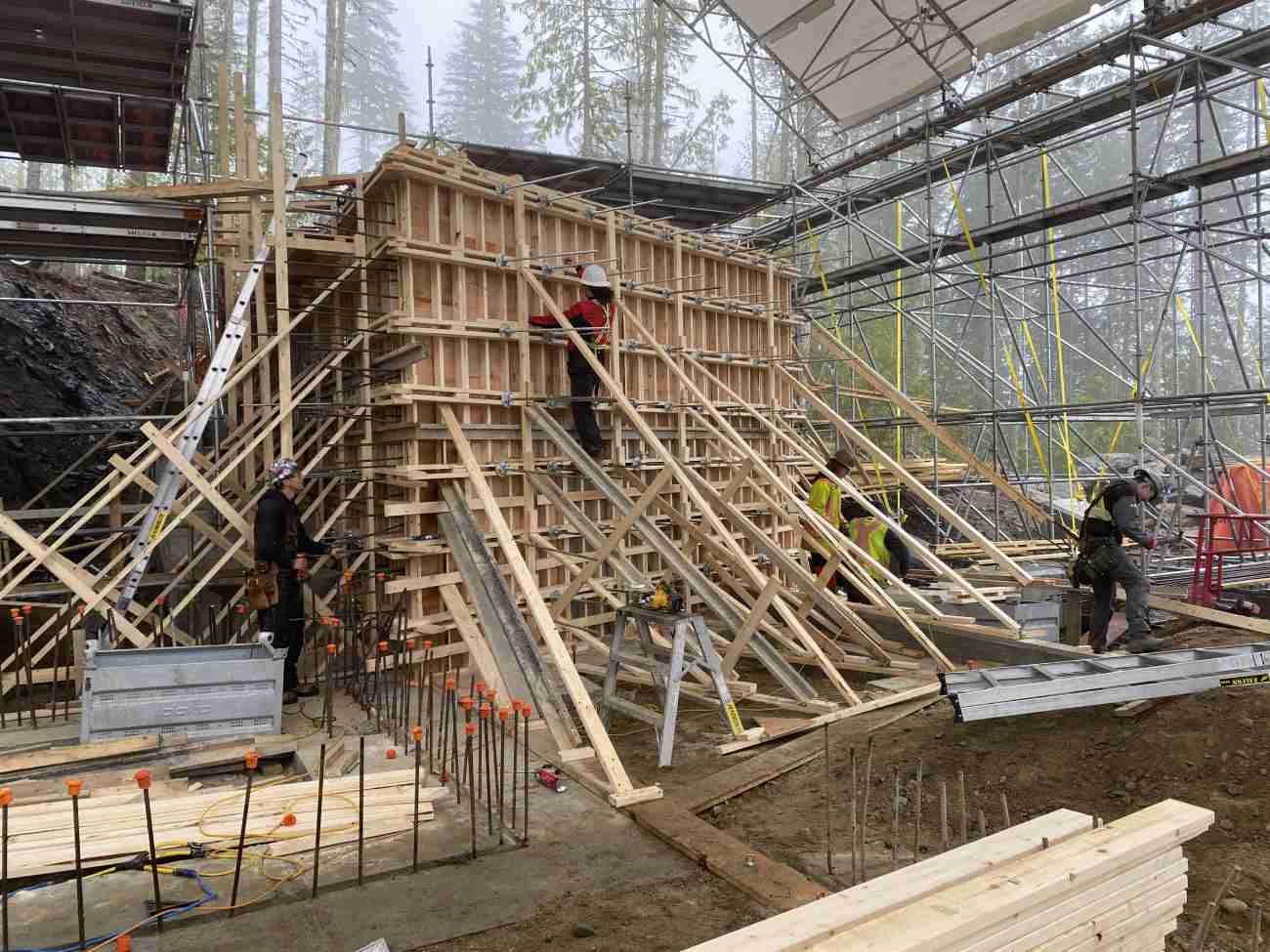
Heated and insulated forms protect concrete pours from freezing damage. Without this, frost can compromise structural strength. Some contractors also use chemical admixtures in concrete mixes to accelerate curing in cold temperatures.
- Framing and Roofing
Crews can frame in winter but must clear snow daily and use tarps to protect exposed lumber. Roofing requires careful attention, as snow loads must be managed safely during installation.
- Windows, Doors, Interiors
Once the building is enclosed with windows, doors, and a roof, interior work continues regardless of outside temperatures. Builders often prioritize getting to this stage as quickly as possible to avoid weather risks.
- Finishes and Landscaping
Landscaping is left for spring and summer when plants and sod can be established properly. Even hardscaping, such as patios and stonework, is more durable when installed in milder weather.
This sequence illustrates seasonal project planning for winter construction in British Columbia, where each stage is adapted to climate realities.
Winter Construction Checklist for Canadian Homeowners
A winter construction checklist for Canadian homeowners ensures clients know what to expect:
- Climate Considerations
Homes must suit their regions: steep roofs for snowy Revelstoke, broad overhangs for rainy Vancouver, and high-performance insulation for cold Calgary. Without these, problems such as ice dams, leaks, and excessive heating costs may occur.
- Weather Protection
Tarps, heaters, and enclosures keep workers safe and materials dry. These measures may cost more in the short term but prevent long delays and damaged materials. Full enclosures also allow crews to work longer hours safely in winter.
- Material Management
Sensitive items such as drywall, lumber, and insulation require proper storage. If exposed to freezing or moisture, these materials can warp, mold, or deteriorate. Clear storage protocols are a non-negotiable part of planning.
- Schedule Milestones
Excavation should be complete before frost, and roofing finished before snow. Missing these milestones can trigger costly overruns. Clients should confirm with contractors that contingency dates are in place.
- Budget Transparency
Builders should provide itemized allowances for winter work. Without this clarity, homeowners risk unexpected expenses. Contracts should explicitly state winter allowances to avoid disputes.
Cost, Time, and Quality Trade-Offs
- Speed
Using heaters and enclosures keeps projects moving, but the costs can be significant. Clients prioritizing timelines often choose this route despite higher budgets. Speed-focused projects may finish months ahead of schedule compared to those that pause for winter.
- Savings
Homeowners without strict deadlines may pause exterior work until spring. This saves money but adds months to project completion. Savings can be significant, as winter measures can easily add 10–15% to total project costs.
- Hybrid Approach
Many projects continue with interior work during winter while delaying exterior tasks. This strategy balances costs with steady progress. Hybrid approaches are often preferred in custom home building, where quality and budget matter as much as timelines.
Examples show both approaches are viable: one project advanced quickly with the help of a substantial temporary enclosure, while another slowed deliberately to save costs.
Adapting Plans to Climate and Season
- Vancouver
Drainage systems, tarps, and staggered deliveries manage the rain. Without them, sites flood and materials become saturated. Builders here also use moisture-resistant drywall and engineered lumber to reduce damage risks.
- Revelstoke
Roofs are designed with steep pitches and overhangs to shed snow. Heated pathways improve safety and reduce ice buildup. Heavy timber is often chosen for its durability under heavy snow loads.
- Calgary
Outdoor work often slows or stops altogether when the temperatures drop too low. Builders shift focus indoors during these cold spells to maintain progress. Scheduling flexibility is essential, as crews must adapt quickly when temperatures shift.
Preparing construction site for cold weather Canada also involves winterizing heavy equipment, setting up backup heating, and building drainage channels for snowmelt. Contractors often pre-order extra materials, since weather delays can disrupt supply chains.
Case Example: Mitigating Weather Delays in Winter Construction
At Kicking Horse Mountain, excavation created a basin that collected water runoff from the ski hill, flooding the site repeatedly.
- Continuous Dewatering Pumps
Pumps redirected water away from the site, keeping excavation areas workable. Crews rotated pumps to ensure 24-hour protection.
- Delaying Foundation Pours
Builders waited until soil stabilized, ensuring the concrete set properly. This delay cost time upfront but prevented long-term structural damage.
- Sequencing Interior Work
While outdoor work paused, framing and interior work advanced indoors. This kept progress steady and avoided a full winter shutdown.
This case illustrates the importance of mitigating weather delays in winter construction in Canada. Flexible scheduling and technical solutions kept the project on track.
Canadian Construction Statistics in Context
- Rising Costs
StatsCan reports residential construction costs rose 3.7% year-over-year in Q2 2025, while non-residential costs increased 4.0%. Weather inefficiencies were contributing factors. Seasonal challenges add costs that can vary by region and project size.
- Seasonal Slowdowns
In Q3 2024, construction costs rose 4.0% (residential) and 3.9% (non-residential). Analysts cited seasonal slowdowns as a factor. These costs are often linked to delays in exterior work, extended project durations, and extra heating and protection.
- Weather Impacts
RWES data shows Canadian projects lose 2–5 workdays per month to weather delays. Severe events such as snowstorms affect nearly 45% of global projects. For Canadian builders, these delays are an expected cost of doing business.
- Permit Delays
Edmonton data reveals greenfield permits average 21 days, while infill projects take 33–91 days. These delays often push projects into less favorable seasons. Builders emphasize that filing early is critical to maximize the short building season in colder regions.
Key Takeaways
What Defines the Season
- Coastal regions like Vancouver face rain year-round.
- Mountain towns like Revelstoke work mainly spring to fall.
- Prairies face deep freezes that halt outdoor labour.
- Regional climate dictates costs, timing, and methods.
Challenges of Cold-Weather Construction
- Frozen soil slows excavation and raises costs.
- Concrete curing in cold requires heating systems.
- Rain and snow damage materials, delaying schedules.
- Added costs include heaters, coverings, and drainage systems.
Best Practices
- Excavate in spring, roof by fall, shift indoors in winter.
- Drainage in Vancouver, snow-shedding designs in Revelstoke, flexibility in Calgary.
- Align milestones with weather patterns for fewer risks.
Phasing in British Columbia
- Evaluate frost, snow, and drainage early.
- Use phased delivery to spread costs and reduce risk.
- Sequence site prep, foundations, framing, interiors, and landscaping around weather.
Checklist for Homeowners
- Adapt designs to suit climate.
- Protect sites with tarps, heaters, and storage.
- Confirm milestones for excavation and roofing.
- Demand budget transparency with winter allowances.
- Clarify responsibilities for material storage and site protection.
Trade-Offs
- Speed requires higher costs.
- Savings extend schedules.
- Hybrid strategies balance budget and progress.
Case Example
- Kicking Horse Mountain highlighted solutions like pumps, delayed pours, and indoor sequencing to overcome flooding.
Statistics
- Costs rise with seasonal inefficiencies.
- Weather delays cost projects 2–5 days monthly.
- Permit timelines often control start dates as much as climate.
FAQ
Does construction in winter Canada completely stop?
No, but some phases like excavation are limited. Builders adapt with heaters, enclosures, and flexible schedules.
Is cold weather construction in Canada more expensive?
Yes. Additional costs come from heating, protective coverings, and slower labour, which raise overall budgets.
What is included in a winter construction checklist for Canadian homeowners?
Climate-appropriate designs, material storage, weather protection, schedule milestones, and transparent budgets.
How long does seasonal construction Canada last in mountain regions like Revelstoke?
Typically from spring to early fall, though interior work continues year-round with adaptations.
Can you plan for winter home building Canada in advance?
Yes. With early permits, phased scheduling, and winter allowances in the budget, homes can progress even through cold weather.
Can concrete be poured in Canadian winter?
Yes, but only with heated and insulated curing systems. Without them, frost can compromise the concrete’s structural strength.
How do builders protect materials during snow season?
Materials are stored under tarps, in heated containers, or in temporary shelters to prevent freezing and moisture damage.
Conclusion
Canadian winters do not stop construction; they reshape it. Success comes from cold weather construction planning. Anticipating frozen soil, heavy precipitation, and seasonal delays are part of the deal.
With foresight, seasonal project planning for winter construction in British Columbia, Alberta, and Ontario ensures projects continue despite harsh climates. By following a winter construction checklist for Canadian homeowners, preparing sites carefully, and balancing time against cost, even winter home building in Canada is achievable.